


Blog
AI vs Human Developers: The Future of Coding Explained
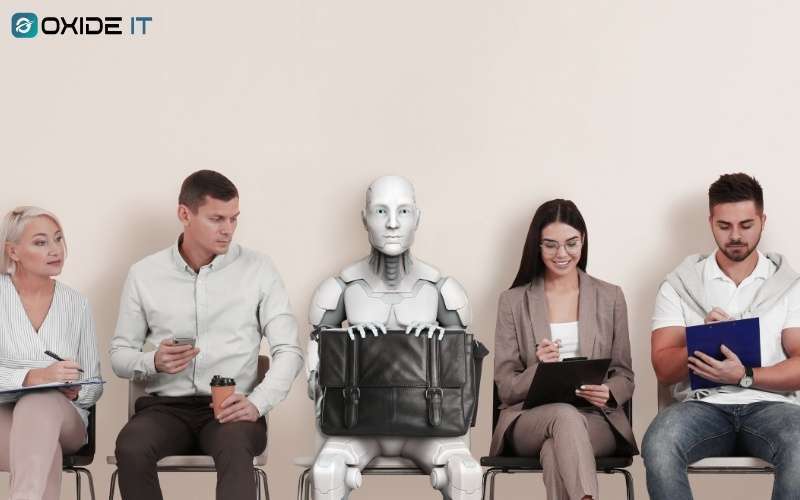
The debate around AI vs human developers is no longer science fiction—it’s happening right now. With rapid advancements in artificial intelligence, tools that can write, debug, and optimize code are transforming the software development landscape. But does this mean human developers are becoming obsolete? Or is this the beginning of a powerful collaboration?
Let’s break down the future of coding in a way that’s practical, realistic, and useful for developers, businesses, and tech enthusiasts.
🚀 What is AI in Software Development?
AI in coding refers to tools and systems that can generate, analyze, and improve code automatically. These tools use machine learning models trained on vast datasets of code to assist developers in real-time.
Common AI Capabilities:
- Auto-generating code snippets
- Debugging and error detection
- Code optimization
- Writing documentation
- Converting one language to another
Popular tools like GitHub Copilot and AI-based IDE assistants are already widely used in modern workflows.
👨💻 What Human Developers Bring to the Table
Despite AI’s growing capabilities, human developers still play a critical and irreplaceable role in software development.
Key Strengths of Human Developers:
- Creative Problem Solving: AI follows patterns; humans create new ones.
- Business Understanding: Developers align code with real-world goals.
- Critical Thinking: Evaluating edge cases, ethics, and long-term impact.
- User Experience (UX): Designing intuitive and meaningful interfaces.
- Complex Decision-Making: AI struggles with ambiguity and context.
🤖 AI vs Human Developers: A Direct Comparison
| Feature | AI Developers | Human Developers |
|---|---|---|
| Speed | Extremely fast | Moderate |
| Creativity | Limited | High |
| Accuracy | High (pattern-based) | High (context-based) |
| Learning | Data-driven | Experience + intuition |
| Problem-solving | Pattern recognition | Deep reasoning |
| Cost | Lower (long-term) | Higher |
👉 Conclusion: AI is powerful, but it’s not independent. It still depends on human guidance.
🔮 The Future of Coding: Collaboration, Not Competition
The future isn’t AI replacing developers—it’s AI enhancing developers.
What to Expect:
- Developers will become AI-assisted engineers
- Faster development cycles (days instead of weeks)
- Increased focus on architecture, logic, and UX
- Less time spent on repetitive tasks
- More demand for high-level thinking and creativity
Think of AI as a supercharged assistant, not a replacement.
💼 How This Impacts Developers (Especially in 2026)
If you’re a developer or planning to become one, here’s what you should focus on:
🔑 Skills to Stay Relevant:
- Problem-solving & logic building
- System design & architecture
- AI tool usage (prompt engineering)
- Communication & client understanding
- UI/UX fundamentals
👉 Developers who adapt to AI tools will outperform those who ignore them.
🏢 How Businesses Benefit from AI + Developers
Companies are already leveraging AI to:
- Reduce development costs
- Speed up project delivery
- Improve code quality
- Scale faster with smaller teams
However, successful businesses still rely on human developers to guide AI, ensure quality, and align with business goals.
⚠️ Limitations of AI in Coding
AI is powerful—but not perfect.
Key Limitations:
- Lack of true understanding
- Security vulnerabilities in generated code
- Dependency on training data
- Limited creativity
- Requires human supervision
👉 Blindly trusting AI can lead to serious bugs or security risks.
🧠 Final Verdict: Will AI Replace Developers?
No—AI will not replace developers. It will replace developers who don’t use AI.
The real future lies in human + AI collaboration:
- AI handles repetitive coding
- Humans handle strategy, creativity, and decision-making
Share Post:
Facebook
WhatsApp
Email
Telegram
Recent Post

How to Run Profitable Facebook Ads in 2026
April 12, 2026

SEO Trends in 2026: How to Rank #1 on Google
April 12, 2026

Top Cybersecurity Threats to Watch in 2026
April 12, 2026